
What Does a Purchaser Really Do for Your Project?
The average new home requires about 250 transactions to complete. Yet when people sit down to talk about their custom build, it’s almost never a subject of conversation. Mostly, we talk about design, the timeline, and the budget. But the purchasing? It's boring. Invisible. And yet, it touches everything.
If you have ever watched a skilled carpenter work, you may notice something interesting: the best ones spend as much time preparing as they do hammering, cutting, or assembling. They study the drawings, anticipate problems, lay out materials, and make small decisions early in the process that prevent trouble later. Building a custom home is not so different. Except instead of one person thinking through the details, it's a synchronized effort across dozens of vendors and trades. Keeping all of those moving parts aligned requires coordination across an entire management team - with purchasers playing a role in making sure materials, timelines, and decisions stay on track.
The Invisible Complexity
Custom homebuilding is a rare event in most people's lives. You might do it once. Because it is an experience we infrequently have, we tend to focus on the big milestones: breaking ground, pouring the foundation, completing the framing, or the move-in. But between that locked budget and timeline sits an environment primed for chaos. The weather can delay subcontractors, material availability might change, and a manufacturer could discontinue the tile you specified. Every single one of these variables can have a cascading effect across the project.
Breaking Down the Puzzle
Let's say you want a tile floor in your primary bathroom. Simple enough? Yes, we want a tile floor.
But what tile? What color? What size? What grout color coordinates with the tile and your walls? What's the transition to the hardwood hallway? Who does the backer board and waterproofing? What warranty covers the tile itself versus the installation? What happens if the grout cracks in three years - who is accountable?
Each of those questions, left unanswered, is a potential source of delay, cost overrun, or dispute. One small miscommunication between the tile supplier, the tile installer, and the general contractor can cause days of rework or finger-pointing about who's responsible.
This is where a skilled purchaser steps in. Their job is to take that general idea and document the terms of the vision. They contact the tile supplier and get a detailed proposal. They review a detailed proposal against the plans. They spot potential problems. They follow up, and they keep track of everything. They create a purchase order - which itself is a mini-contract that spells out exactly 1) what will be delivered, 2) by when, 3) for how much, and 4) with what warranty. To formalize the understanding, all parties sign off, and everyone's on the same page.
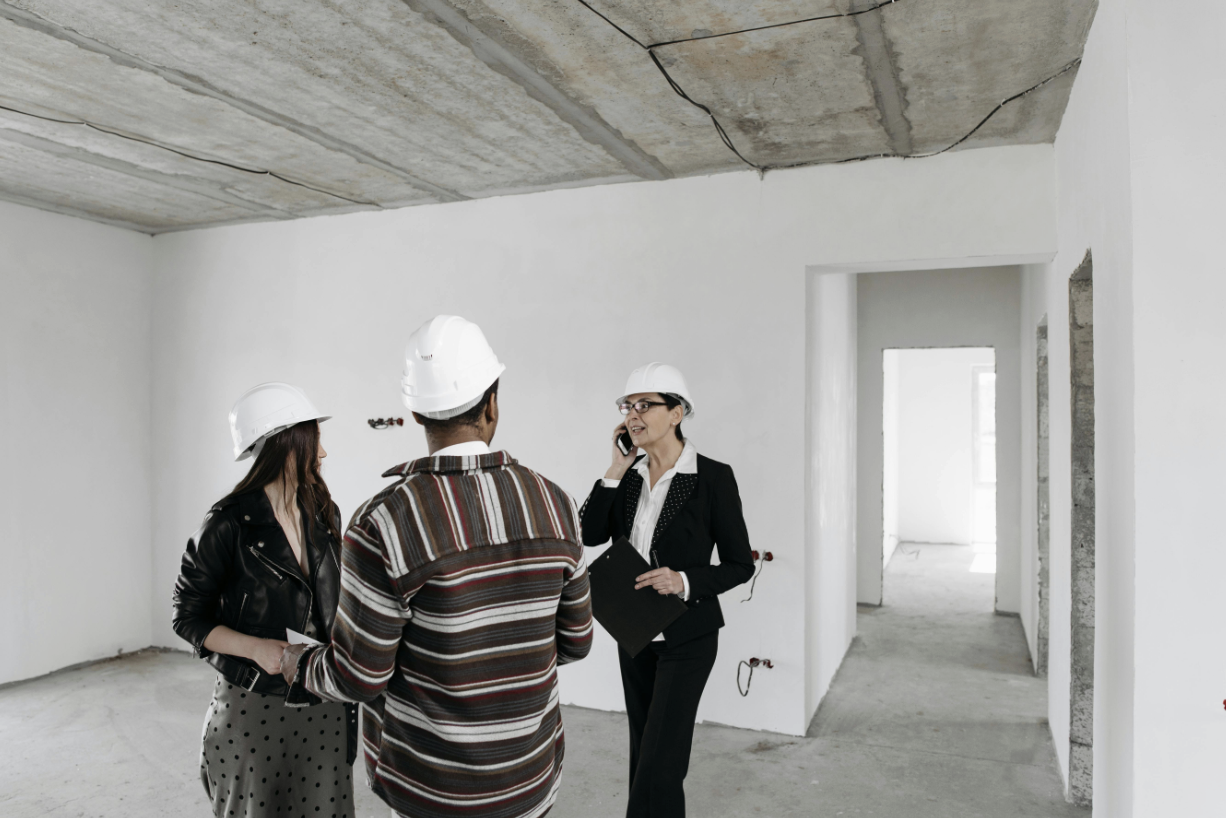
Our jobsite walkthroughs with clients can be a chance to appreciate the details that we’ve already confirmed coming to life, rather than an exercise in last-minute decision-making.
Where Certainty Begins
A purchase order does not bring people the same sense of wonder as a completed set of architectural drawings, but it is where uncertainty is brought under control. Item descriptions. Quantities, prices, delivery dates, responsibilities, and warranties are all accounted for. And because it's in writing and all parties have agreed to it, the potential for chaos is mitigated.
If the tile installer gets a PO that says they have six days to install, but they actually need seven, they can flag that before the work starts, not in the middle of a job. If a manufacturer discontinues a product, the purchaser learns about it when sourcing must take place, not the week before installation. They can work with designers and vendors to find suitable alternatives that still meet the budget and timeline.
A skilled purchaser also negotiates delivery schedules that work with the building sequence. They negotiate warranties that protect you and anticipate which products tend to be bottlenecks - and source them early. They've seen enough projects to know which vendors are reliable and catch problems before they become problems.
Buying Down Risk
Here's the real insight: a good purchaser doesn't just buy things. They buy down risk.
Think about what worries you most about your new home project? Will it be done on time? Will it run over on budget? Are the finishes what you expected? A skilled purchasing function helps mitigate all these worries.
On schedule: It's nearly impossible to build a reliable project plan without clearly documented purchase agreements. You can't know when framing starts if you don't know when concrete arrives.
On budget: Vague specifications up front lead to change orders. Clear purchasing requirements prevent unwanted surprises. An experienced purchaser also foresees cost-effective alternatives before problems occur, allowing project management to stay on track.
Quality/peace of mind: Vetted suppliers with clearly defined specs and warranties reduce rework and disputes. When something fails, everyone knows who's responsible because it was documented from the beginning.
Why Nobody Thinks About It
Most homeowners never ask their builder about their purchasing process. Why? Because purchasing is tedious. Nobody visits a job site and wonders about purchase orders - let alone asks about them. They notice the beautiful finishes, the framing, the way sunlight comes in through the windows. They never ask about the person quietly working behind the scenes, keeping the project on track.
This invisibility is precisely why it's so often overlooked. And it's also exactly why some projects operate smoothly, on time and on budget, while others tend towards chaos. To build a great house, you need great builders - but even great builders may miss the mark if they don’t have a strong purchasing function working in close partnership.
The Unsung Hero
Building a custom home is, in some ways, like running a site-built factory. You're creating a one-off facility specifically designed to manufacture a single product: your new home. The efficiency required rivals any industrial operation. Yet most people never see the person making sure all the pieces arrive in the right order, from the right sources, meeting the right specifications.
Certainty isn't accidental. It's supported by a key member of your building team's disciplined, detail-oriented work - the purchaser - the unsung hero of the homebuilding process. If you're planning a custom build or major renovation, it might be worth asking your builder: Who manages your purchasing? How do they make sure that all 250 transactions stay in line? Do you use purchase orders? The answer might tell you more about the experience than you'd expect.
If you are now curious about how having a skilled purchaser on your project could change your building experience, or what a thoughtful purchasing strategy would look like for a new construction or renovation project, I’d be happy to talk.